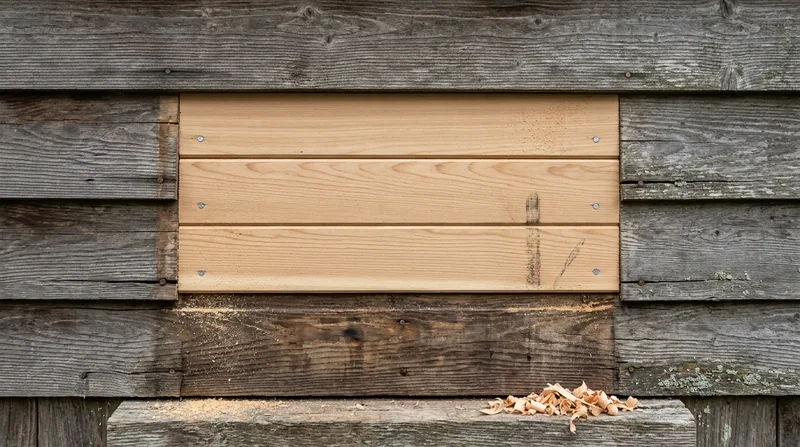




Fascia, Soffit & Exterior Trim Repair in Pittsburgh stops rot before it reaches the framing. Peeling paint and soft fascia boards are the first sign of moisture moving in, and Pittsburgh's freeze-thaw cycles accelerate the damage. The steep hillsides of the South Side Slopes and the older brick and frame rowhouses across Shadyside, Polish Hill, and Lawrenceville all face the same problem: water gets behind the trim, the wood swells and splits, and within a few seasons you have soft spots that invite both rot and pests. We replace fascia, soffits and exterior trim with primed, rot-resistant material, closing the gaps that let moisture and pests into the roofline. The work is straightforward carpentry, but the materials and the detail matter.
Why Fascia and Soffit Rot Accelerates in Pittsburgh's Climate
Pittsburgh winters bring freeze-thaw cycles that crack wood and open seams. Spring runoff and the humid continental summers keep moisture high. Fascia boards sit at the edge of the roof, exposed to water backing up under shingles, condensation from the attic, and rain splashing up from gutters. Soffit boards underneath take moisture from both above and below. Once paint fails, the bare wood absorbs water and begins to swell. The wood fibers separate, paint peels faster, and soft rot follows within one or two seasons.
- Freeze-thaw cycles split wood and open joints where water enters.
- Gutter overflow and ice dams force water behind fascia boards.
- Soffit vents trap condensation if the attic lacks proper ventilation.
- Older homes on the North Side and South Hills often have single-layer fascia with no backing board, making them more vulnerable.
- Once rot starts, it spreads into the rafter tails and the rim joist, turning a trim repair into structural work.
That's why catching soft fascia early and replacing it with proper materials keeps the repair simple and the cost down.
Key info: A Victorian home in the Mexican War Streets or a post-war brick ranch in Mount Lebanon can go 40 to 50 years with good paint maintenance. Once fascia fails, expect soft spots within 12 to 24 months. Replacement is cheaper than waiting for the rim joist to rot. See our wood rot repair page for details on what happens when fascia rot reaches the framing.
The Pittsburgh Building Department does not require a permit for fascia, soffit, or trim replacement, but always verify current rules with your local building department before starting work.
How We Replace Fascia, Soffit and Exterior Trim in Pittsburgh
We start by inspecting the full run of fascia and soffit, checking for soft wood, paint failure, and signs of moisture or pest damage. If the wood is soft or the damage extends into the rafter tails, we remove the affected section and check the rim joist. We replace fascia with primed redwood or Douglas fir, or with composite fascia board if the customer prefers no-paint durability. Soffits go back with aluminum or vinyl vented panels if the original soffit was solid, or with new wood if that matches the home's original detail. All new trim is primed before installation and sealed at every joint to stop water from getting behind it again.
- We remove the old fascia board and inspect the rafter tails and rim joist for rot or pest damage.
- We replace damaged rafter tails with sistered (reinforced) framing or new wood, depending on the extent of the damage.
- We install new fascia with primed, rot-resistant material and seal all joints with exterior caulk.
- We replace soffit panels, vented or solid, ensuring proper attic airflow.
- We prime all new wood before installation and paint or stain to match the existing trim.
The whole job typically takes one to three days, depending on how much of the run is affected and whether we find hidden rot in the framing.
Local example: A rowhouse on Troy Hill with failed fascia and soft rafter tails took two days. We removed 45 linear feet of fascia, replaced four rafter tails with sistered 2x8 Douglas fir, and installed new primed fascia with sealed joints. The homeowner chose to keep the original wood look, so we stained the new fascia to match. Total time, including drying and final coat, was two days. If rot had reached the rim joist, the job would have taken longer and cost more, so catching it early saved money.
For details on structural repairs, see our framing carpentry page.
Fascia, Soffit and Trim Repair Methods: What Works Best
| Approach | Description | Best for |
|---|---|---|
| Primed Redwood Fascia | Natural wood with rot-resistant heartwood, primed and sealed at all joints. Accepts stain or paint. Requires periodic maintenance every 5 to 7 years. | Historic homes in Shadyside or the Mexican War Streets where original wood trim is valued. Homeowners who want the look of wood and accept maintenance. |
| Douglas Fir Fascia with Composite Backing | Wood facing over a composite or treated backing board. Combines wood appearance with moisture resistance. Primed and sealed. Lower maintenance than solid wood. | Post-war homes in the South Hills and suburban Allegheny County where durability matters and some maintenance is acceptable. |
| Composite or Fiber Cement Fascia | Engineered product that does not rot, splinter or absorb water. Primed and paintable. No staining option. 20+ year durability with paint maintenance only. | Any home where durability and low maintenance are priorities. Homes in high-moisture environments or areas with poor attic ventilation. |
| Vinyl or Aluminum Soffit with Vented Panels | Lightweight, non-rotting panels that allow attic airflow. Snap-fit installation over existing structure. No painting required. 25+ year life. | Any home with inadequate soffit ventilation or where paint maintenance is unwanted. Works well paired with composite fascia. |
We help you choose the right material based on your home's age, style, budget, and how much maintenance you are willing to do. Old wood homes often look best with wood fascia, but composite fascia is the smart choice if rot keeps coming back.
Fascia, Soffit and Exterior Trim Repair Cost in Pittsburgh: What to Expect
Fascia and soffit work starts at $700 to $1,200 for a small section or a single-story home with 50 to 80 linear feet of fascia. The cost depends on the length of the run, whether rafter tails are damaged, what material you choose, and how much of the soffit needs replacement. A larger home in Upper St. Clair or Peters Township with 150 linear feet of fascia and vented soffit replacement typically runs $2,000 to $3,500. If rot has reached the rim joist or rafter tails, the job gets bigger and the cost rises because framing repair takes time.
The best way to know your actual cost is to get two or three estimates from local carpenters who will come out and look at the damage in person. We offer free estimates within 24 hours. Call us at (412) 866-2637 or request an estimate online. See our pricing page for more details on what affects the final cost.
Fascia, Soffit and Exterior Trim Repair Near Me: What Pittsburgh Homeowners Should Know Before Hiring
When you call a carpenter for fascia work, ask whether they will inspect the rafter tails and rim joist before giving you a price. Good carpenters know that soft fascia often means hidden damage. Ask what material they recommend and why. If they push expensive replacement when repair is possible, get another opinion. Check that they are fully insured and ask for references from similar jobs in your neighborhood. Mount Lebanon, Bethel Park, and Upper St. Clair all have strict HOA rules about exterior colors and materials, so verify your choice with your HOA before work starts.
- Verify that the contractor is fully insured and carries general liability and workers compensation coverage.
- Ask for references from at least two recent jobs in Pittsburgh or your suburb.
- Get written estimates from two or three contractors, not just one.
- Confirm that the estimate includes inspection of the rafter tails and rim joist, not just the fascia board.
- Check your HOA rules before choosing paint colors or new materials like composite fascia.
- Ask whether the contractor will prime all new wood before installation and seal all joints with exterior caulk.
We are fully insured and in business since 2016. Call us at (412) 866-2637 or contact us online for a free, no-obligation estimate.
Fascia, Soffit & Exterior Trim Repair in Pittsburgh: Pricing Guide
| Service | Price | Details |
|---|---|---|
| Small fascia section or single-story home | Starting at $700 | 50 to 80 linear feet of fascia, primed wood, no soffit work, sound rafter tails |
| Full home fascia and soffit replacement | $2,000 to $3,500 | 150 linear feet of fascia, vented soffit panels, primed and painted, minor rafter repair |
| Fascia with rafter tail or rim joist repair | On estimate | Soft or rotted framing requires inspection and sistering or replacement, affecting labor and material cost |
| Composite or fiber cement fascia upgrade | Add 20 to 40 percent | Material cost higher than wood, but durability and low maintenance justify the premium for many homeowners |
| Travel and estimate | Free estimate, included travel | No charge for on-site inspection or written estimate, no mileage fee within Pittsburgh and surrounding areas |
Indicative pricing, the exact cost depends on square footage, finish, and site access. Free personalized estimate within 24h at (412) 866-2637.


