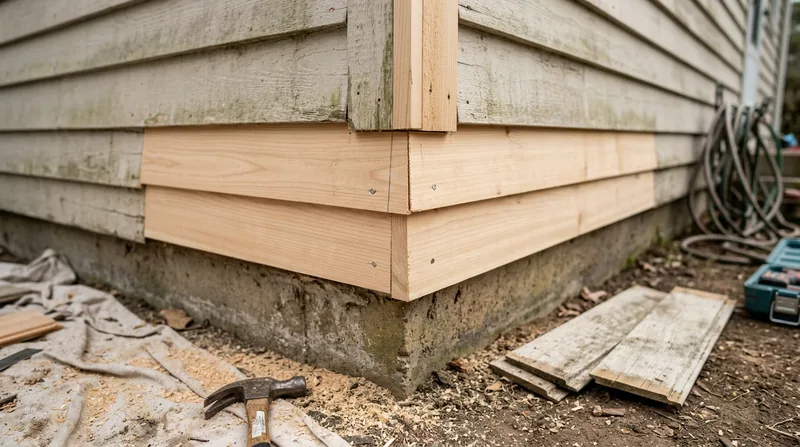




Finish & Trim Carpentry in Pittsburgh demands precision and an eye for detail that separates real craft from quick fixes. Pittsburgh's housing stock, much of it built before 1940, spans Victorian rowhouses climbing the South Side Slopes, Tudor Revivals in Shadyside, and working-class frame homes in Bloomfield and Lawrenceville. These homes need trim work that honors their original character while standing up to Pittsburgh's freeze-thaw cycles, humidity, and settled foundations. Whether you're installing crown molding in a 1920s Colonial, scribing wainscoting around plaster walls that have shifted over decades, or hanging interior doors in a tight hallway, the work requires the same carpenter for every job, not a rotating crew. We handle casing, trim, paneling, and custom millwork throughout the Pittsburgh area and into Allegheny County suburbs.
Why Finish & Trim Carpentry Matters in Pittsburgh's Historic Homes
Old Pittsburgh homes were built with real plaster walls, settled sills, and framing that has moved over eighty years or more. Off-the-shelf trim does not fit these spaces. A tight miter, a scribed joint, and consistent reveals are not cosmetic luxuries in a 1930s brick rowhouse on Troy Hill or a Tudor home in Mount Lebanon. They're the difference between trim that looks hand-fitted and trim that looks like it was cut for a different house. Sloppy casing and gaps around door jambs let air infiltrate, collect dust, and broadcast that the work was rushed. Pittsburgh's seasonal swings from cold, snowy winters to humid summers mean wood movement is real. Trim installed without accounting for seasonal expansion will crack, gap, or separate from the wall by spring.
- Scribed trim fits the actual contour of plaster walls and settled frames instead of forcing straight pieces into wavy surfaces.
- Coped joints in crown molding and baseboard hide gaps better than mitered joints and look professional in rooms with uneven ceilings.
- Consistent reveals, the small gap between casing and the wall, signal quality work and allow for wood movement without splitting.
- Custom paneling and wainscoting protect plaster in high-traffic areas and add character to dining rooms and hallways in older homes.
Finish carpentry in Pittsburgh homes is not a one-day job. It is the visible craft that sets a renovation apart.
Local example: A 1920s rowhouse in Polish Hill with original plaster walls that have settled unevenly needs casing around new interior doors that scribes to the wall surface and reveals that stay consistent even where the jamb is slightly out of plumb. Off-the-shelf casing cut to length will show gaps. A finish carpenter measures, fits, and sometimes hand-planes the back of the casing to follow the wall. That is the work we do.
For more information on how structural issues affect trim work, see our page on Framing & Structural Carpentry.
How We Install Finish & Trim Carpentry in Pittsburgh Homes
The process starts with understanding the existing structure, not assuming it is square or plumb. We measure wall surfaces, check for plaster cracks or settling, and plan trim layouts that work with the home's actual geometry. Crown molding in a 90-year-old frame house often runs into ceilings that slope or crown. Baseboard meets floors that have settled or heaved. Door casing must fit jambs that are out of square. We work around these realities rather than fighting them.
- Measure the walls, ceilings, and door jambs in place to capture actual dimensions and identify out-of-plumb or out-of-square conditions.
- Plan the trim layout, including miter and cope angles, reveal widths, and any scribing or hand-fitting needed for plaster or wavy surfaces.
- Cut and fit each piece on site, using hand tools and power tools to achieve tight joints and consistent reveals that hide seasonal wood movement.
- Install with fasteners that hold without splitting old plaster or new drywall, and fill nail holes with putty matched to the finish.
- Sand and finish or paint trim after installation so the work reads as seamless and intentional.
This methodical approach takes longer than nailing up pre-made trim, but the result is finish carpentry that lasts and looks like it belongs in the home.
Concrete example: Crown molding in a Shadyside Colonial with 10-foot ceilings and walls that crown slightly requires cutting compound angles at each corner, test-fitting before fastening, and adjusting the cope joint if the ceiling height varies room to room. We do not rely on a miter saw and hope. We fit and adjust until the joints close tight and the reveal stays even. Then we fasten, fill, sand, and finish. That is finish carpentry.
Related work in Crown Molding & Baseboard Installation covers specialized trim applications throughout the Pittsburgh area.
Finish & Trim Carpentry Methods and Approaches
| Approach | Description | Best for |
|---|---|---|
| Scribed Casing | Trim is cut and fitted to follow the contour of plaster walls or settled frames that are not perfectly flat or straight. | Old Pittsburgh homes with wavy plaster, settled sills, and out-of-plumb door jambs. |
| Coped Crown Molding | The profile of one piece of crown is cut to fit the profile of the adjacent piece, hiding gaps and allowing for seasonal wood movement. | Interior rooms with uneven ceilings or where mitered joints would show gaps over time. |
| Custom Paneling | Board-and-batten, frame-and-panel, or wainscoting installed to protect plaster walls and add character to dining rooms, hallways, or bedrooms. | Historic homes where original paneling has been removed or where protection and period detail are desired. |
| Built-Ins and Shelving | Custom shelves, cabinets, and storage fitted to existing walls, with trim and finish details that match the home's character. | Adding storage and detail to living rooms, bedrooms, or home offices in homes where off-the-shelf units do not fit. |
| Interior Door Installation | Hanging doors with casing that scribes to the jamb, reveals that stay consistent, and hardware that works smoothly. | Replacing interior doors in old homes where jambs are out of square or where period-correct hardware and casing are required. |
Finish & Trim Carpentry Cost in Pittsburgh: What to Expect
Finish carpentry costs in Pittsburgh range widely depending on the scope, materials, and how much fitting and hand work the job requires. Simple casing on new construction with square walls and plumb jambs costs less than scribing crown molding in a 1920s home where every ceiling is slightly different. Material choices, the number of linear feet of trim, and site access all affect the final price. Getting two or three estimates from local carpenters helps you understand what the work involves and where costs come from.
We charge starting at $550 for smaller trim projects, such as casing a single interior door or installing baseboard in one room. Larger jobs, such as crown molding throughout a multi-room renovation or custom paneling in a dining room, typically run into the thousands depending on square footage and the amount of scribing and hand-fitting required. Complex work in older homes with uneven walls and settled framing costs more because it takes longer and requires more skill. We provide a detailed estimate after an on-site visit so you understand what is included and what drives the cost.
See our Pricing page for more detail on common finish carpentry jobs and the factors that move costs up or down.
Finish & Trim Carpentry Near Me: What Pittsburgh Homeowners Should Know When Hiring
Finish carpentry is a craft, not a commodity. The difference between trim that fits tight and trim that has gaps shows up immediately and lasts for decades. When you hire a carpenter in Pittsburgh or the surrounding areas such as Mount Lebanon, Bethel Park, Upper St. Clair, or Cranberry Township, ask whether the same person or crew will do the work from start to finish. Ask to see examples of scribing, coped joints, and consistent reveals in homes like yours. Verify that the carpenter is fully insured and check references from recent jobs in your neighborhood.
- Ask whether the carpenter will measure and fit trim on site or cut everything in the shop and bring it in pre-finished.
- Request photos or examples of finish work in homes with plaster walls, settled frames, or out-of-plumb door jambs similar to yours.
- Confirm that the carpenter is fully insured and ask for references from homeowners in Pittsburgh or nearby suburbs.
- Get a detailed estimate that lists materials, labor, and any site-specific factors such as scribing, coping, or hand-planing.
- Discuss the finish or paint plan and whether the carpenter will handle filling, sanding, and final finishing or if that is a separate step.
The best finish carpenters in Pittsburgh are booked weeks or months in advance because homeowners know the difference quality trim makes.
To request a free on-site estimate and discuss your trim project, call us at (412) 866-2637 or visit our Contact page. We serve Pittsburgh and all of Allegheny County.
Finish & Trim Carpentry in Pittsburgh: Pricing Guide
| Service | Price | Details |
|---|---|---|
| Single interior door casing | Starting at $550 | Includes measuring, fitting, cutting, installing, and finishing casing on one interior door jamb. |
| Crown molding installation | Starting at $900 | Per room, includes measuring, cutting compound angles, coped joints, fastening, filling, sanding, and finishing. |
| Baseboard installation | Starting at $650 | Per room, includes measuring, fitting, coping joints at corners, fastening, filling nail holes, and finishing. |
| Custom paneling or wainscoting | On estimate | Depends on square footage, board type, panel design, and whether existing plaster protection or new installation is involved. |
| Built-ins or custom shelving | On estimate | Determined by design complexity, materials, wall condition, and whether shelves are adjustable or fixed with decorative trim details. |
| Estimate and travel | Free | No charge for on-site visit or estimate, included throughout Pittsburgh and Allegheny County suburbs, response within 24 hours. |
Indicative pricing, the exact cost depends on square footage, finish, and site access. Free personalized estimate within 24h at (412) 866-2637.


