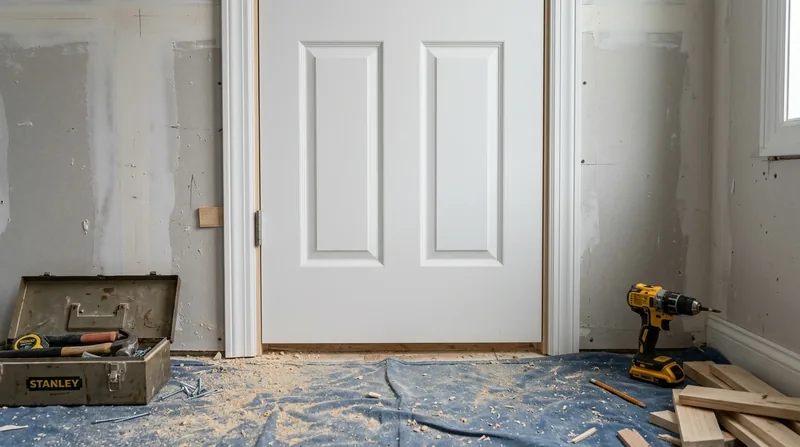




Pittsburgh's older housing stock, much of it built before 1940 and climbing the steep hillsides of neighborhoods like Polish Hill, Squirrel Hill, and the South Side Slopes, sits on foundations that shift with winter freeze-thaw cycles. Floor joists and subfloor framing in these homes absorb moisture from damp basements, crawl spaces, and sills that have settled over decades. When you notice a sagging floor, soft spots under carpet, or a bounce when you walk across a room, the cause is usually floor joist and subfloor damage from wood rot, moisture, or structural settlement. We assess the damage, sister compromised joists or replace sections entirely, and rebuild subfloor to restore a solid, level surface before finishes go down. This is structural carpentry that requires a careful eye and the right repair method for each situation.
Why Floor Joist and Subfloor Repair Matters in Pittsburgh's Older Neighborhoods
Pittsburgh's climate combines cold snowy winters with humid summers and real freeze-thaw damage every spring. Water seeps into rim joists and sill plates through foundation cracks, exterior mortar joints, and poorly graded soil around the perimeter. Wood rot and dry rot develop quietly in these framing members, weakening the structural system that carries the weight of the entire house. A sagging floor is not just a cosmetic problem; it signals that the framing below has lost structural integrity and will continue to fail if left unaddressed.
- Wood rot weakens joists from the inside out, turning solid oak or Douglas fir into soft, crumbly material that cannot support live load.
- Moisture trapped under old vinyl flooring or in crawl spaces with poor ventilation accelerates decay in subfloor and joist ends.
- Settling foundations and shifting sills in rowhouses and Victorian homes on the North Side create uneven loads that concentrate stress on a few joists.
- Subfloor delamination and soft spots indicate that the plywood or boards have absorbed water and lost their ability to span between joists.
- Delaying repair allows rot to spread to rim joists, band boards, and the sill plate itself, turning a local repair into a much larger project.
Catching floor damage early and repairing it properly prevents accelerated decay and keeps repair costs realistic.
Key info: Pittsburgh's humid continental climate and the age of the housing stock make floor joist rot one of the most common structural issues we see. A home inspection in Mount Lebanon or Bethel Park often reveals soft joists in the basement rim before the homeowner feels movement upstairs. Early diagnosis and repair are far less expensive than waiting until the floor has sagged enough to crack plaster or split door frames.
For more context on moisture-driven wood decay, see the wood rot and dry rot repair page.
How We Repair Damaged Floor Joists and Subfloor in Pittsburgh Homes
Our approach starts with a clear diagnosis. We probe suspect joists with a moisture meter and a awl, identify the extent of rot or damage, and determine whether the joist can be repaired by sistering (bolting a new joist alongside the damaged one) or must be replaced entirely. We then remove or cut out the affected subfloor, assess the rim joist and sill plate, and build back up with solid framing and new subfloor material. The goal is always to restore structural capacity and create a level surface for flooring, tile, or carpet to go down.
- We inspect the joist from basement or crawl space, probing for soft wood, measuring moisture content, and checking for rot progression.
- We determine the cause of moisture intrusion, whether foundation seepage, poor drainage, or condensation in a damp crawl space.
- We remove or cut away the compromised subfloor material to expose the full extent of the damaged joist and any adjacent framing.
- We sister the joist by bolting a new piece of pressure-treated or solid lumber alongside it, or we remove and replace the joist entirely if rot is too extensive.
- We rebuild the subfloor with new plywood or boards, fastening it securely to the joists and rim joist with construction adhesive and nails or screws.
- We level the floor before subfloor goes down by shimming joists or adjusting the rim joist where settlement has occurred.
- We address the source of moisture to prevent recurrence, advising on gutter and grading improvements or crawl space ventilation.
The result is a solid, level floor that will carry load safely for decades.
Example: A home in Lawrenceville had a soft spot under the kitchen that had worsened over two years. The basement rim joist was wet and spongy. We removed 8 feet of rotted rim joist and subfloor, sistered the rim with new treated lumber bolted every 16 inches, and rebuilt the subfloor with new 3/4" plywood. The floor is now level and solid. We also recommended extending the gutter downspout away from the foundation to stop the seepage at the source.
For related structural carpentry work, see our framing and structural carpentry page.
Floor Joist and Subfloor Repair Methods
| Approach | Description | Best for |
|---|---|---|
| Sistering | Bolting a new joist alongside the damaged one, distributing load between old and new members. | Joists with rot or damage in the outer 2-3 inches, or where the joist can be reinforced without removal. |
| Full Joist Replacement | Removing the damaged joist and installing a new one, often pressure-treated lumber or solid sawn stock. | Joists with rot extending through the entire depth, or where the wood has lost structural capacity. |
| Subfloor Patching | Removing a section of delaminated or soft subfloor and installing new plywood or boards, fastened securely to sound joists. | Localized water damage or rot in subfloor that has not affected the joists beneath. |
| Rim Joist and Sill Replacement | Removing and replacing the rim joist and sill plate where they have rotted from foundation seepage or moisture exposure. | Extensive rot at the perimeter of the floor system, or where the sill plate has lost contact with the foundation. |
Floor Joist and Subfloor Repair Cost in Pittsburgh: What to Expect
A straightforward floor joist repair in Pittsburgh starts at around $1,800 and can range from $2,500 to $6,000 or more depending on the scope, access, and extent of damage. A single sistered joist with subfloor patching may cost less than a full joist replacement with rim joist work and moisture remediation. Access matters significantly: a basement with good headroom and clear space around the damaged area costs less to repair than a crawl space or a home where the floor is supported by a stone foundation with poor drainage.
The main factors that affect cost are the number of joists involved, the length of subfloor to replace, whether the rim joist or sill plate needs work, and the source of moisture. A two-joist repair with 20 square feet of subfloor replacement will be less expensive than a four-joist job with 60 square feet of subfloor and a rotted rim joist. Similarly, a simple sistering job is less costly than a full joist removal and replacement, which requires temporary support and more labor.
We recommend getting estimates from two or three carpenters before deciding. Each estimate should detail what is included: how many joists, how much subfloor, whether the rim joist is addressed, and what moisture prevention steps are recommended. For a full pricing overview and examples specific to your situation, see our pricing page.
Floor Joist and Subfloor Repair Near Me: What Pittsburgh Homeowners Should Know When Hiring
When you're looking for a carpenter to repair floor joists and subfloor in Pittsburgh, focus on contractors who have done this work in older homes and understand the local building code. The Pittsburgh Building Department and Allegheny County have specific requirements for structural repairs, and many floor joist jobs do require a permit, especially if the work involves load-bearing members or changes to the floor system. Check whether your contractor is fully insured, carries workers compensation, and can document their experience with similar repairs.
Ask to see references from other homeowners in Pittsburgh or nearby suburbs like Mount Lebanon or Upper St. Clair. Request a written estimate that breaks down the scope: which joists, how much subfloor, whether sistering or replacement, and what moisture control measures are included. If the job involves removing or altering the rim joist or sill plate, or if it is a large structural repair, confirm that the contractor understands permit requirements and will work with the local building department. Many HOA communities in Shadyside, Squirrel Hill, and the South Hills also have architectural or structural review processes; ask whether your property is subject to those rules.
Finally, understand the difference between repair and replacement. A good carpenter will propose sistering or patching whenever the wood and structure justify it. Replacement is sometimes the right answer, but it should be explained clearly, not assumed. Get a second opinion if you are uncertain whether your floor joists can be repaired or must be replaced.
Ready to get started? Contact us for a free estimate at (412) 866-2637. We respond within 24 hours and can visit your home to assess the damage and explain your options.
Floor Joist & Subfloor Repair in Pittsburgh: Pricing Guide
| Service | Price | Details |
|---|---|---|
| Single joist sistering with subfloor patch | Starting at $1,800 | Includes one sistered joist, up to 20 sq ft of subfloor replacement, fastening and leveling |
| Multiple joist repair (2-3 joists) with subfloor | Starting at $3,200 | Two to three sistered or replaced joists, up to 40 sq ft subfloor, includes access and labor |
| Rim joist and sill plate replacement | Starting at $2,500 | Removal and replacement of rotted rim joist and sill plate section, includes new lumber and fastening |
| Large-scale floor system repair (4+ joists, extensive subfloor) | On estimate | Complex jobs involving multiple joists, crawl space access issues, or widespread rot require site inspection |
| Travel and estimate | Free | No charge for estimate or travel within Pittsburgh and surrounding Allegheny County service areas |
Indicative pricing, the exact cost depends on square footage, finish, and site access. Free personalized estimate within 24h at (412) 866-2637.


