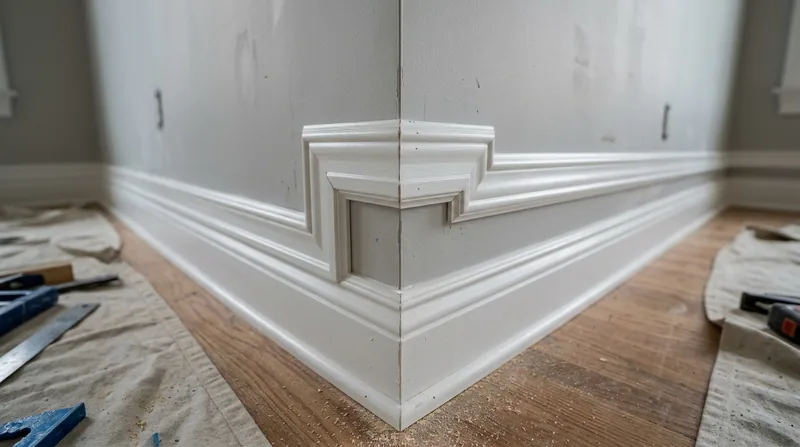




Pittsburgh's oldest neighborhoods, from the steep South Side Slopes to Polish Hill's historic rowhouses and the Victorian streets of Shadyside, harbor wood-frame homes built decades before modern pest management. When termites enter these structures, they leave behind hollowed studs, compromised sills, and weakened subfloor sections that demand immediate repair. Termite damage repair in Pittsburgh is not about pest control, that's the exterminator's job, but about restoring the structural integrity of the wood your home depends on. After your pest inspection report comes back, we step in to replace the damaged framing, joists, sill plates, and trim sections so your home stands solid again. Pittsburgh's humid continental climate and freeze-thaw cycles accelerate wood decay once termites have opened the door, making swift repair essential.
Why Termite Damage Repair Matters in Pittsburgh's Aging Housing Stock
Much of Pittsburgh's residential building stock predates 1940. Frame homes in Lawrenceville, Bloomfield, and the North Shore neighborhoods were built with sill plates and rim joists directly vulnerable to ground-level termite entry. Once termites tunnel into structural wood, they consume the grain from the inside out, leaving a thin shell that looks solid but cannot carry load. The damage spreads silently through framing bays and subfloor cavities for months or years before a pest inspector or a sagging floor alerts the homeowner. Repairing this damage restores load-bearing capacity, prevents further settlement, and protects the value of your home.
- We remove termite-damaged studs, joists, and sill sections identified in your pest inspection report.
- We sister new framing alongside compromised joists or replace entire sections where the damage is too extensive to reinforce.
- We restore subfloor sections above crawl spaces and basement rim joists to full bearing capacity.
- We replace damaged trim, fascia, and exterior wood components that termites have hollowed from the inside.
- We inspect adjacent framing to catch secondary damage and prevent future infestation entry points.
Addressing termite damage promptly prevents cascading structural failure and keeps repair costs manageable.
Key info: A Victorian home in the Mexican War Streets with termite damage in the rim joist and first-floor joists typically requires replacement of 8 to 12 linear feet of framing plus subfloor patching. Without repair, that damage spreads into the main floor structure within one to two seasons, turning a $3,500 repair into a $9,000 job. Early action saves money and structural integrity.
For more information on wood damage assessment and repair, see our wood rot and dry rot repair service, which uses the same diagnostic and repair methods.
How We Repair Termite Damage: Our Process in Pittsburgh Homes
After you provide your pest inspection report, we conduct a detailed structural survey to map the extent of termite damage. We identify load paths, determine which framing members can be reinforced and which must be fully replaced, and plan access for safe removal and installation. Our approach is methodical and transparent: we explain what the damage is, why it matters structurally, and what repair method delivers the best long-term result. We work within your timeline and coordinate with any ongoing pest treatment or preventive work.
- We photograph and document all damage to help you file an insurance claim and track the repair scope.
- We remove damaged wood sections carefully to avoid disturbing adjacent framing or creating new entry points.
- We install new pressure-treated or solid-sawn framing members, sized to match the original and meet current building code.
- We sister new joists alongside repairable joists using fasteners rated for structural load transfer.
- We patch subfloor with new plywood or dimensional lumber, fastened per code to the supporting structure.
- We replace exterior trim, fascia, and sill components with durable species and proper flashing to resist future moisture entry.
The entire process is documented so you have a clear record of what was repaired and how.
Real example: A 1920s brick rowhouse in Squirrel Hill had termite damage running the full length of the rim joist under the front room. We removed the damaged rim, installed a new pressure-treated rim joist, sistered new band board, and patched the subfloor above. The floor no longer flexes, and the homeowner has a clear before-and-after record for insurance documentation. Total time: 4 working days. See our floor joist and subfloor repair page for more on structural floor restoration.
Termite Damage Repair Methods: Repair vs. Replace
| Approach | Description | Best for |
|---|---|---|
| Sistering | Installing a new joist or stud alongside a partially damaged member, fastened to transfer load and distribute bearing across both pieces. | Joists with damage in outer 1/3 of depth; studs with localized termite galleries; rim joists where the outer face is compromised but the interior band still bears load. |
| Full Member Replacement | Removing the entire damaged joist, stud, or sill plate and installing new framing cut to the same dimensions and species where practical. | Damage affecting more than 1/3 of member depth; hollow or honeycomb galleries spanning the full height of a stud; sill plates with damage running the length of a bay. |
| Subfloor Patching | Cutting out the damaged subfloor section, installing new plywood or dimensional lumber, and fastening to the supporting joists with ring-shank nails or structural screws. | Localized soft spots, nail-popping, or flex in the finish floor directly above termite-damaged subfloor; areas where joists are sound but the subfloor has been hollowed. |
| Exterior Trim and Fascia Replacement | Removing damaged fascia, soffit, trim boards, or entry sills and installing new stock with proper flashing and drainage to prevent future moisture and pest entry. | Termite damage to exposed wood at or near ground level; hollow fascia or soffit sections; compromised entry sills or thresholds. |
Every repair method is chosen based on the extent of damage, the load the member carries, and the cost-benefit of repair versus replacement. We never replace sound wood, and we never patch when a full replacement is the only honest answer.
Termite Damage Repair Cost in Pittsburgh: What to Expect
Termite damage repair costs depend on the extent of infestation, the structural members affected, and the access required to safely remove and replace the wood. A small repair, replacing a damaged rim joist section or sistering a joist in a basement, may start at $1,200 to $2,000. Larger jobs involving multiple joists, subfloor patching, and exterior trim can range from $3,500 to $8,000. Extensive damage affecting an entire floor system or multiple load-bearing walls may exceed $10,000 and requires an on-site estimate.
Factors that move the cost up or down include the linear footage of damaged framing, whether the damage is in a basement (easier access) or under a finished floor (requires temporary support and careful reinstallation), the species and grade of replacement lumber, and whether exterior work requires scaffolding or ladder access on a steep hillside. Pittsburgh's terrain, especially in neighborhoods like Mount Lebanon, Upper St. Clair, and the South Hills, can add complexity and cost to exterior repairs.
We recommend getting 2 to 3 estimates from local carpenters so you can compare scope, method, and price. Always ask to see the pest inspection report and understand which members are being replaced and why. Insurance may cover part of the repair if the damage is recent and documented, so we help you photograph and record the work for your claim. See our full pricing overview for additional detail on labor, materials, and how we estimate complex jobs.
Termite Damage Repair Near Me: What Pittsburgh Homeowners Should Know When Hiring
Hiring the right carpenter for termite damage repair is about finding someone who understands structural wood pathology, communicates clearly about what's damaged and why, and has the tools and experience to work safely in tight spaces like crawl spaces and basement rim cavities. Avoid contractors who pressure you to replace wood that can be repaired or who make vague promises about "eliminating" the infestation. That's pest control work, not carpentry. Your job is to repair the damage once the pest professional has done theirs.
When you call a contractor, have your pest inspection report ready and be clear about your timeline and budget. Ask whether the carpenter has experience with Pittsburgh's older housing stock, frame construction, and the specific framing members your report identifies as damaged. Check that the contractor carries full insurance and can provide references from similar jobs. For structural work, especially if a load-bearing member is involved, ask whether the job will require a permit from the Pittsburgh Department of Permits and Inspections or your local building department. Permit requirements vary by scope and location, so verify before you sign a contract. See our contact page to request a free, no-obligation estimate.
We are fully insured and have been in business since 2016, serving Pittsburgh and the surrounding Allegheny County communities. We work from your pest inspection report, explain our method before we start, and document the repair so you have a clear record for insurance and future reference.
Termite Damage Repair in Pittsburgh: Pricing Guide
| Service | Price | Details |
|---|---|---|
| Single joist or stud repair | Starting at $1,200 | Sistering or replacing one structural member, including removal, installation, fastening, and basic subfloor patching if needed |
| Multi-joist or rim joist repair | Starting at $3,500 | Replacement or sistering of 2 to 4 joists, rim joist sections, or sill plates with subfloor patching and structural reinforcement |
| Extensive structural damage | On estimate | Damage affecting entire floor bays, multiple load-bearing members, or requiring temporary shoring and engineered solutions require site assessment |
| Exterior trim and fascia replacement | Starting at $800 | Removal and replacement of termite-damaged fascia, soffit, trim boards, sills with proper flashing and drainage installation |
| Travel and estimate | Free | No travel fee within Pittsburgh and surrounding Allegheny County areas, free estimate within 24 hours at (412) 866-2637 |
Indicative pricing, the exact cost depends on square footage, finish, and site access. Free personalized estimate within 24h at (412) 866-2637.


