Do You Need a Permit for Carpentry Work in Pittsburgh?
If you're planning a carpentry project in Pittsburgh, one of the first questions you should ask is whether you need a building permit. The answer isn't always straightforward, and getting it wrong can lead to costly fines, insurance issues, and complications when you sell your home. Understanding Pittsburgh building permit requirements is essential before you swing a hammer or call a contractor.
The City of Pittsburgh requires permits for most structural work, electrical modifications, plumbing changes, and significant alterations to your home's framework. However, minor repairs and routine maintenance typically don't require permits. The distinction between what needs a permit and what doesn't can be confusing, which is why many homeowners turn to experienced local contractors who understand the nuances of city regulations.
What Carpentry Work Requires a Pittsburgh Building Permit?
Generally speaking, any carpentry work that affects the structural integrity of your home or involves significant alterations will require a Pittsburgh building permit. This includes wall removal, window or door installation, roof repairs, deck construction, and any work involving load-bearing walls. If you're adding new walls, modifying existing ones, or creating openings in walls, you'll almost certainly need a permit before starting work.
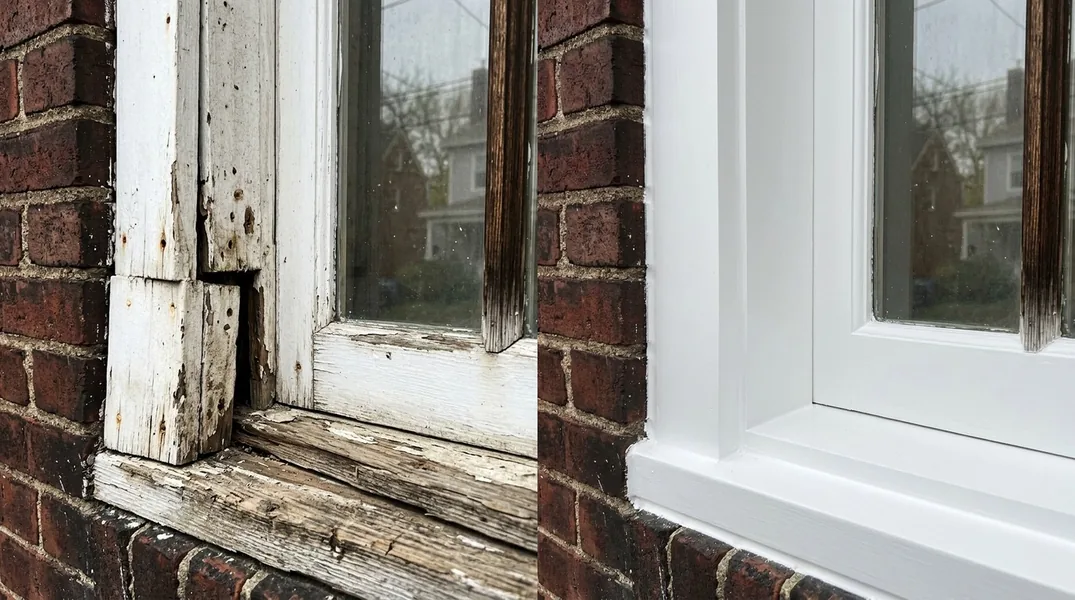
Projects that typically require permits include installing new windows or doors, adding or removing walls, constructing decks or additions, replacing roofing, and any work involving structural beams. Additionally, if you're doing Wood Rot & Dry Rot Repair that involves replacing structural members or joists, a permit may be required depending on the scope. The same applies to Floor Joist & Subfloor Repair work that involves removing or replacing substantial portions of your home's framing system.
Is My Wall Load Bearing? Why This Matters for Permits
One of the most critical questions homeowners ask is whether their wall is load bearing. This determination directly impacts whether you need a permit and what kind of structural work is required. A load-bearing wall supports the weight of the structure above it, including the roof, upper floors, and all the contents within your home. Removing or significantly altering a load-bearing wall without proper engineering and support is dangerous and illegal in Pittsburgh.
Load-bearing walls are typically located near the center of your home, run perpendicular to floor joists, or sit directly above basement support beams. However, the only way to know for certain whether a wall is load bearing is to have a structural engineer or experienced contractor evaluate it. If you're considering Beam Replacement & Load-Bearing Wall Removal, a permit is absolutely required, and you'll need structural plans prepared by a licensed engineer. Attempting to remove a load-bearing wall without proper permits and engineering can result in structural failure, code violations, and serious safety hazards.
Do I Need a Permit to Remove a Wall in Pittsburgh?
The short answer is yes, in most cases. Wall removal in Pittsburgh requires a building permit, especially if the wall is load bearing or affects the home's structural system. Even if you believe the wall is not load bearing, the city requires a permit to ensure the work is done safely and in compliance with building codes. The permit process protects you, your family, and future homebuyers by ensuring the work meets current safety standards.
When you apply for a wall removal permit in Pittsburgh, you'll need to submit detailed plans showing the wall's location, what will replace it (if anything), and how the load above will be supported. If the wall is load bearing, you'll need structural engineering drawings that specify beam size, support points, and installation details. The permit application process can take several weeks, and inspections will be required at various stages of the work. Working with a contractor experienced in the permit process can streamline this significantly and ensure all requirements are met.
What Happens If You Don't Get a Required Permit?
Skipping the permit process might seem like a way to save time and money, but the consequences can be severe and long-lasting. Unpermitted work can result in fines from the City of Pittsburgh, forced removal of the work, difficulty obtaining homeowner's insurance, and complications when selling your home. Buyers and their lenders often require proof that major work was permitted and inspected, and discovering unpermitted carpentry can derail a sale or significantly reduce your home's value.
Beyond financial penalties, unpermitted structural work poses serious safety risks. Building codes exist to protect your home and family. Without proper permits and inspections, there's no guarantee that work like wall removal, beam installation, or Beam Replacement & Load-Bearing Wall Removal has been done correctly. If something goes wrong, you may not be covered by insurance, and you could face liability issues. The small amount you might save by skipping permits is far outweighed by the potential costs and risks.
How to Get Started: Getting Your Pittsburgh Building Permit
The process for obtaining a Pittsburgh building permit begins with contacting the Department of Permitting in your municipality or the City of Pittsburgh's Bureau of Building Inspection. You'll need to submit detailed plans of your project, including dimensions, materials, and structural details if applicable. For complex projects like load-bearing wall removal, you'll need plans prepared by a licensed architect or structural engineer. The application fee varies depending on the project scope, and processing times typically range from two to six weeks.
Rather than navigating the permit process alone, consider working with an experienced local contractor who understands Pittsburgh's building codes and permit requirements. At Pittsburgh Carpentry, we handle the entire permitting process for our clients, from preparing applications to coordinating inspections. If you're planning a significant carpentry project and need guidance on permits, we recommend reaching out for a free estimate and consultation. You can call us at (412) 866-2637 to discuss your project and learn what permits you'll need. Our team will ensure your work is done safely, legally, and to code.
Looking for a professional carpentry contractor in Pittsburgh? Pittsburgh Carpentry responds fast for all your carpentry needs.
Get a Free QuoteOur services: Wood Rot & Dry Rot Repair · Termite Damage Repair · Floor Joist & Subfloor Repair