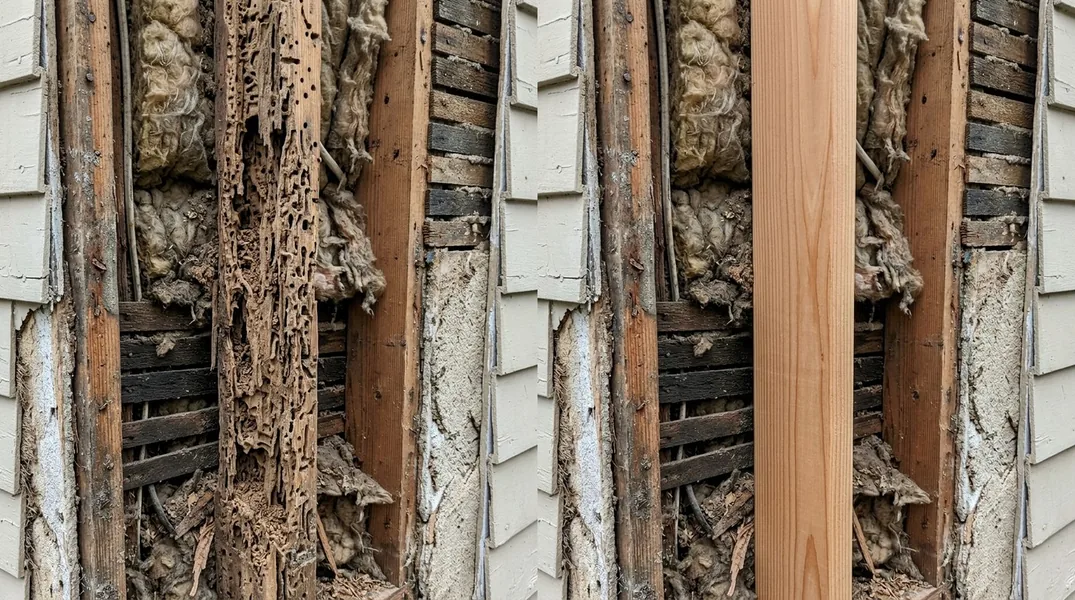
The Hard Truth: Most Homeowners Insurance Policies Don't Cover Wood Rot or Termite Damage
When a Pittsburgh homeowner discovers wood rot creeping through their basement or termites damaging structural beams, one of the first questions is often: "Will my homeowners insurance cover this?" Unfortunately, the answer is almost always no. Standard homeowners insurance policies explicitly exclude coverage for wood rot, dry rot, and termite damage because these issues are considered preventable maintenance problems rather than sudden, accidental events.
Insurance companies view wood rot and termite damage as the result of negligence or lack of proper home maintenance. Since these problems develop gradually over time and could theoretically be prevented with regular inspections and upkeep, insurers classify them as maintenance issues rather than insurable losses. This distinction is crucial for homeowners to understand, because it means you cannot rely on your insurance policy to cover the costs of Wood Rot & Dry Rot Repair or Termite Damage Repair.
Understanding Your Homeowners Insurance Policy: What It Actually Covers
To understand why wood rot and termite damage fall outside typical coverage, it helps to know what homeowners insurance is designed to protect. Standard policies cover sudden and accidental damage caused by events like fires, windstorms, hail, theft, and vandalism. They may also cover some water damage if it results from a sudden pipe burst or roof collapse. However, they explicitly exclude coverage for damage caused by pests, fungi, mold, and gradual deterioration.
Your homeowners insurance policy likely contains specific exclusions for wood-destroying insects and fungal growth. These exclusions exist across nearly every major insurance carrier in the United States. Some policies may offer limited coverage for damage caused by water from a sudden source (like a burst pipe), but if that water leads to wood rot, the rot itself is not covered. The distinction matters because many homeowners mistakenly believe that water damage coverage will extend to wood rot damage. When you read the fine print, you'll find that fungal damage and rot are explicitly carved out from coverage, even if the initial water damage was covered.
When Might Insurance Actually Cover Wood or Termite Damage?
While rare, there are specific scenarios where homeowners insurance might cover wood damage or termite-related losses. If your home experiences sudden, accidental damage that then leads to pest infestation or wood rot, you may have a case for a claim. For example, if a tree falls through your roof during a storm and the resulting water intrusion leads to wood rot within a short time frame, your insurer might cover the water damage portion. However, they would typically not cover the resulting rot itself, only the immediate damage from the storm.
Another potential scenario involves structural damage caused by termites if it results from a covered peril. This is extremely rare and would require very specific circumstances. Some homeowners have successfully claimed coverage when termite damage was discovered immediately after a covered event, but these cases are exceptional and depend heavily on policy language and timing. The safest assumption is that wood rot and termite damage will not be covered, and you should budget for repairs out of pocket or through a dedicated pest control and carpentry service.
Why Prevention Is Your Best Insurance Policy
Since insurance won't cover wood rot or termite damage, prevention becomes your most cost-effective strategy. Regular home inspections, especially in older homes common throughout Mount Lebanon and surrounding areas, can catch early signs of wood damage before they become expensive problems. Look for soft spots in wood, discoloration, peeling paint, or small holes that might indicate termite activity. Keep gutters clean to prevent water accumulation, ensure proper grading around your foundation to direct water away from your home, and maintain good ventilation in crawl spaces and attics.
Termite prevention is equally important. Have your home professionally inspected for termites every one to two years, especially if you live in an area with a history of termite activity. Eliminate wood-to-soil contact around your foundation, remove dead trees and stumps from your property, and avoid storing firewood against your home. These preventive measures cost far less than dealing with extensive termite damage or wood rot repairs later. If you notice any signs of wood damage or pest activity, don't wait. Contact a professional immediately to assess the situation before the problem spreads.
What to Do If You Discover Wood Rot or Termite Damage in Your Pittsburgh Home
If you've discovered wood rot or termite damage in your home, your first step should be to document the damage with photographs and contact a qualified carpentry and pest control professional. While you might be tempted to file an insurance claim anyway, doing so without a reasonable basis can harm your relationship with your insurer and may result in claim denial. Instead, focus on getting an accurate assessment of the damage and understanding your repair options.
Pittsburgh Carpentry specializes in identifying and repairing wood damage caused by rot, dry rot, and termites. Our team can assess the extent of the damage and recommend the best course of action, whether that involves Floor Joist & Subfloor Repair, Beam Replacement & Load-Bearing Wall Removal, or other structural repairs. Once you understand the scope of work needed, you can explore your options, including financing plans or payment arrangements. Call us at (412) 866-2637 or request a free estimate to get started.
Understanding the Cost of Wood Rot and Termite Damage Repairs
Since insurance won't cover these repairs, understanding the potential costs is essential for budgeting. The expense of wood rot or termite damage repairs varies dramatically depending on the extent of the damage, the location within your home, and the type of wood involved. Minor surface rot affecting a small area might cost a few hundred dollars to repair, while extensive structural damage affecting beams, joists, or load-bearing walls can cost thousands of dollars. Termite damage can be particularly expensive because termites often work invisibly within walls and structural members, sometimes causing damage that isn't discovered until it's extensive.
For detailed information about pricing and what you can expect to invest in repairs, Pittsburgh Carpentry recommends getting multiple estimates from qualified contractors. The cost of repairs depends on factors like the size of the affected area, whether the damage is structural or cosmetic, local labor costs, and the specific materials needed. Rather than guessing at costs, reach out to our team for a professional assessment. We serve Bethel Park, Upper St. Clair, and surrounding communities, and we're happy to provide a detailed estimate so you know exactly what to budget.
Looking for a professional carpentry contractor in Pittsburgh? Pittsburgh Carpentry responds fast for all your carpentry needs.
Get a Free QuoteOur services: Wood Rot & Dry Rot Repair · Termite Damage Repair · Floor Joist & Subfloor Repair