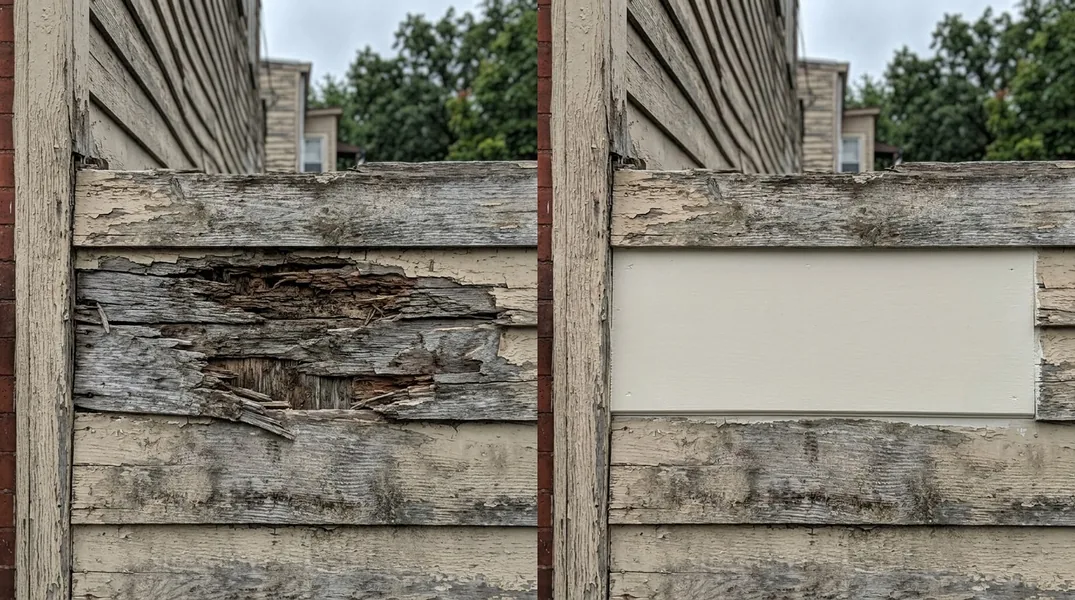
The Case for Preserving Original Wood Windows in Pittsburgh
Pittsburgh's neighborhoods are filled with beautiful historic homes, many featuring original wood windows that have stood for 80, 100, or even 150 years. These windows are more than just functional elements; they're part of the architectural character that makes Pittsburgh neighborhoods distinctive and charming. Yet when homeowners notice decay, rot, or drafts, the instinct is often to replace them entirely with modern vinyl or aluminum units.
The reality is that replacement isn't always the best choice, especially when the damage is limited to the window sill or frame. Modern replacement windows, while energy-efficient, lack the craftsmanship, materials, and aesthetic qualities of original wood windows. They also don't tell the story of your home's history. With proper Wood Rot & Dry Rot Repair, most original wood windows can be restored to full function and beauty while maintaining their historical integrity. This approach respects your home's past while ensuring it performs well for decades to come.
Understanding Window Sill Rot: Why It Happens
Window sills are among the most vulnerable parts of any window assembly because they sit at the junction where the window frame meets the exterior wall. This is where water naturally collects and drains, making sills prime targets for decay. Over time, exposure to rain, snow, temperature fluctuations, and UV rays breaks down the protective finish on wood sills. Once that barrier fails, moisture penetrates the wood, creating the perfect environment for fungal growth and structural deterioration.
In Pittsburgh's humid climate and freeze-thaw cycles, window sill rot develops faster than in drier regions. The problem often compounds because homeowners don't notice the early signs until significant damage has occurred. You might see soft spots, discoloration, peeling paint, or gaps between the sill and frame. Sometimes the sill feels spongy when you press on it, or you notice water staining on the interior wall below the window. These are all signs that your window needs attention sooner rather than later.
Window Sill Replacement vs. Repair: The Cost and Quality Difference
When a contractor suggests replacing your entire window, they're often quoting you $800 to $3,000 per window depending on size, style, and materials. This cost multiplies quickly if you have several affected windows. In contrast, professional window sill rot repair typically ranges from $300 to $1,200 per window, depending on the extent of decay and whether the frame also needs attention. The financial advantage of repair is significant, but the real value goes beyond the immediate savings.
Repair work preserves the original materials, dimensions, and design of your windows. A skilled carpenter can remove only the damaged wood, treat the remaining structure, and install new sill material that matches the original in species, grain, and finish. The repaired window functions exactly as it did originally and maintains its authentic appearance. Replacement windows, by contrast, change the visual character of your home's exterior. They often sit slightly differently in the opening, require new trim work, and can actually reduce the resale appeal of a historic property. If you're concerned about pricing for your specific situation, Pittsburgh Carpentry offers a free estimate so you can compare your options with accurate numbers.
The Repair Process: What to Expect
Professional window sill rot repair begins with a thorough inspection to determine how deep the damage extends. The carpenter will probe the wood, check for soft spots, and assess whether the rot has spread to the frame, jambs, or sill edges. This diagnosis is crucial because it determines whether you need a simple sill replacement or more extensive work. In many cases, only the sill itself needs replacement while the frame remains sound, which keeps costs down and the work relatively straightforward.
Once the scope is clear, the damaged wood is carefully removed. The carpenter will protect the glass and any surrounding trim, then methodically cut out the rotted section. The remaining wood is treated with a wood hardener and fungicide to prevent future decay. New wood, typically matching the original species (often pine, oak, or fir depending on your home's age), is cut to exact dimensions and fitted into place. The new sill is sealed with exterior-grade primer and paint, and any gaps are caulked to prevent water intrusion. The entire process typically takes one to three days depending on complexity, and your window will be fully functional and weather-tight when complete.
Why Professional Repair Beats DIY Solutions
Some homeowners attempt to patch rotted window sills themselves using wood filler, epoxy, or paint. While these temporary fixes might hide the problem visually, they almost never address the underlying moisture issue. The decay continues beneath the surface, and within a year or two, the rot returns, often worse than before. DIY approaches also risk damaging the window glass, frame, or surrounding trim, which can turn a $500 repair into a $2,000 problem.
Professional carpenters have the tools, experience, and knowledge to do the job right the first time. They understand wood movement, proper moisture barriers, drainage details, and the specific requirements of historic windows. They can identify hidden rot that casual inspection misses, and they know how to source matching materials that will age naturally with your home. When you hire an experienced carpenter for Wood Rot & Dry Rot Repair, you're investing in a solution that will last 20, 30, or more years rather than a temporary band-aid.
Preventing Future Window Sill Rot: Maintenance Tips
After your window sills have been repaired, maintaining them properly will extend their life significantly. Paint is your window's first line of defense against moisture. Check your painted sills annually and touch up any areas where the paint is peeling, cracked, or worn. A fresh coat of quality exterior paint every 5 to 7 years is a small investment that pays huge dividends. Keep the area around your windows clean and clear so water can drain freely. This means removing leaves, dirt, and debris from sills and the ground below windows.
Also pay attention to caulking. The caulk around your window frame and sill creates a water-tight seal. If you notice cracks or gaps in the caulk, have it removed and replaced with fresh, flexible exterior caulk. Check your gutters and downspouts too, because water that doesn't drain away from your home will eventually find its way to your windows. Finally, ensure your windows close properly and the sashes move smoothly. A window that doesn't seal well allows water infiltration and condensation, both of which accelerate decay. If you notice any of these maintenance issues or spot early signs of rot, contact Pittsburgh Carpentry at (412) 866-2637 for a professional assessment before small problems become big ones.
Looking for a professional carpentry contractor in Pittsburgh? Pittsburgh Carpentry responds fast for all your carpentry needs.
Get a Free QuoteOur services: Wood Rot & Dry Rot Repair · Termite Damage Repair · Floor Joist & Subfloor Repair