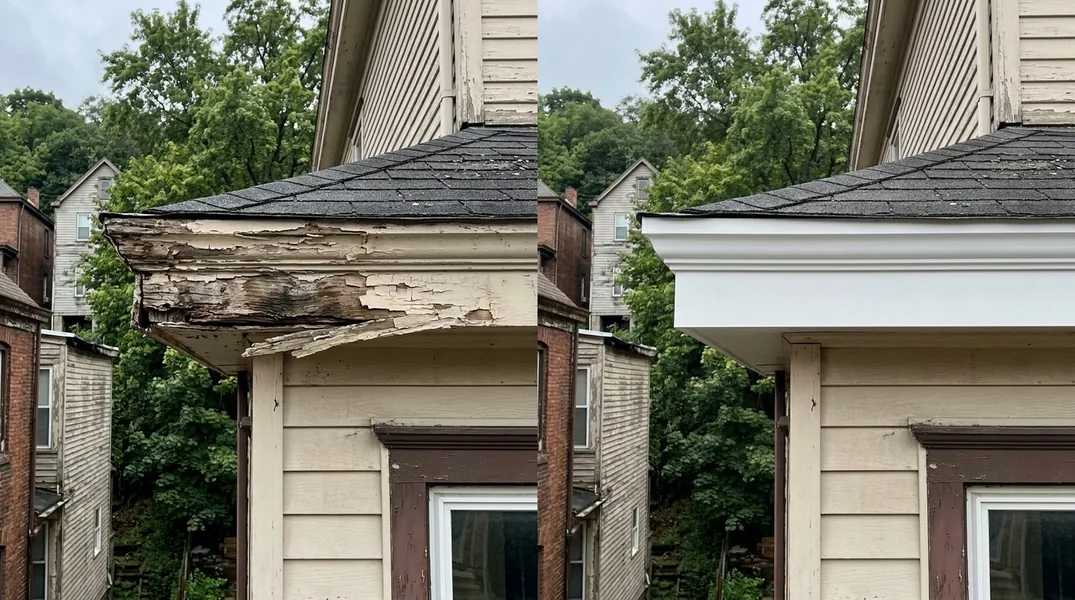
Why Pittsburgh's Historic Homes Face Unique Wood Challenges
If you own a Victorian or rowhouse in Pittsburgh, you already know that historic charm comes with responsibility. These homes, many built in the late 1800s and early 1900s, were constructed with materials and methods that worked beautifully for their time. But Pittsburgh's climate, combined with over a century of weather exposure, creates serious challenges for wood structures.
The region's humidity and freeze-thaw cycles are particularly hard on wood. Rain and snow melt penetrate aging siding, gutters, and window frames. Without proper maintenance, moisture seeps into the wood, creating the perfect environment for decay. Victorian homes and rowhouses in Pittsburgh often have wooden exteriors, wooden joists, wooden window frames, and ornamental wood details that all require vigilant care. Ignoring early warning signs can turn a small repair into a five-figure restoration project.
Understanding Wood Rot and Dry Rot: The Silent Destroyers
Wood Rot & Dry Rot Repair is one of the most common issues we address in historic homes across the region. Many homeowners confuse the two, but they require different approaches. Wood rot, also called wet rot, develops when wood moisture content exceeds 20 percent. This typically happens in areas exposed to rain, poor drainage, or plumbing leaks. The wood becomes soft, spongy, and loses its structural integrity.
Dry rot is more deceptive. Despite its name, it still requires moisture to start, but it spreads much faster through wood and can travel across materials. It's caused by a fungus that breaks down wood fibers, and it can destroy a joist or beam from the inside out before you notice any external signs. Both types of rot are serious, but dry rot is particularly dangerous because homeowners often discover it only after significant structural damage has occurred. If you notice soft spots on your siding, discolored wood, or a musty smell in your basement or crawl space, contact Pittsburgh Carpentry at (412) 866-2637 for a professional assessment.
Protecting Your Rowhouse: Wood Siding Repair and Prevention
Wood siding is one of the defining features of Pittsburgh's rowhouses and Victorian homes. It's beautiful, historically accurate, and incredibly vulnerable to decay. The most common problem we see is failed caulk and paint, which allows water to penetrate behind the siding. Once water gets behind the boards, it sits against the underlying structure, promoting rot from the inside out. Many homeowners don't realize that their siding damage is already deep when they finally see visible rot.
Prevention is far more cost-effective than repair. Inspect your wood siding annually, especially after heavy rain or winter thaw. Look for peeling paint, gaps between boards, soft spots, or areas where caulk has failed. Keep gutters and downspouts clean and functioning properly, directing water at least four feet away from the foundation. Trim tree branches that hang over the roof, as they promote moisture retention and allow leaves to clog gutters. If you notice areas of compromised siding, don't wait. Early intervention prevents the rot from spreading into the framing. Pittsburgh Carpentry specializes in wood siding repair and can assess whether sections need replacement or if the damage is still cosmetic.
Foundation and Structural Wood: When Rot Becomes Critical
Rowhouses and Victorian homes often have wooden components in their foundations and structural systems that are invisible to the untrained eye. Floor Joist & Subfloor Repair is frequently necessary in older Pittsburgh homes because these wooden elements are in direct contact with moisture from basement walls, crawl spaces, and poor drainage. If your home has a basement, look for signs of water intrusion. Efflorescence (white, chalky deposits on concrete walls) indicates water movement. Stains on joists or beams suggest active or past moisture problems.
In severe cases, structural rot requires professional intervention. Beam Replacement & Load-Bearing Wall Removal may be necessary if rot has compromised the home's ability to support its own weight. This is not a DIY project. Improper repairs can cause floors to sag, walls to crack, or in extreme cases, partial structural failure. If you suspect rot in your home's structural components, get a free estimate from a qualified carpenter who understands the specific challenges of historic Pittsburgh homes.
Historic Home Maintenance: A Year-Round Checklist
Maintaining a Victorian home or rowhouse in good condition requires consistent attention throughout the year. Spring is the time to inspect the entire exterior after winter weather. Check roof shingles for damage, inspect flashing around chimneys and dormers, and examine all wood trim. Summer is when you should address any issues found in spring, as weather conditions are ideal for repair work. Fall requires gutter cleaning and preparation for winter freeze-thaw cycles. Winter is when you'll likely discover interior issues like water stains on ceilings or walls that indicate roof or flashing leaks.
Document everything. Take photos of any damage you notice and keep records of repairs made. This information is valuable for insurance claims and helps you track patterns. For example, if you notice water always appears in the same corner after heavy rain, that's a clue about where your roof or flashing is failing. Many historic home issues are preventable with regular maintenance, but they're expensive to fix once they've progressed. If you're uncertain about what you're seeing or how serious a problem might be, reach out to Pittsburgh Carpentry at (412) 866-2637 for professional guidance.
When to Call a Professional: Knowing Your Limits
Some homeowners try to handle wood repair themselves, but historic homes demand specialized knowledge. Victorian and rowhouse restoration requires understanding period-appropriate materials, structural systems that differ from modern construction, and the specific challenges of aging wood. A mistake in a load-bearing repair can be dangerous and costly to fix. Additionally, many insurance policies require that structural work be performed by licensed professionals to maintain coverage.
Pittsburgh Carpentry has extensive experience with historic home restoration in the region. We understand the unique characteristics of rowhouses and Victorian homes, and we know how to repair them properly while respecting their historical integrity. Whether you need a simple siding repair, assessment of potential rot, or major structural work, we're here to help. Get in touch with us today for a free estimate or call (412) 866-2637. Protecting your historic home now prevents expensive problems later.
Looking for a professional carpentry contractor in Pittsburgh? Pittsburgh Carpentry responds fast for all your carpentry needs.
Get a Free QuoteOur services: Wood Rot & Dry Rot Repair · Termite Damage Repair · Floor Joist & Subfloor Repair