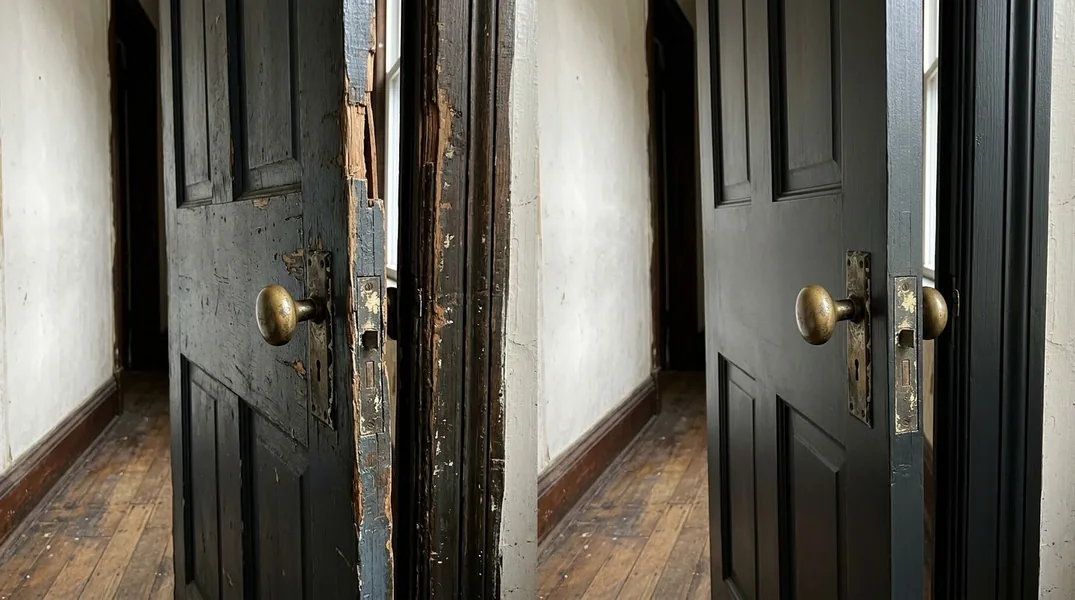
The Repair vs. Replace Decision: What You Really Need to Know
One of the most common questions homeowners ask us at Pittsburgh Carpentry is simple but critical: should I repair this rotted wood or replace it entirely? The answer isn't always straightforward, and it depends on several factors including the extent of damage, the location of the wood, structural integrity, and your budget. Understanding the difference between these two approaches will help you make an informed decision that protects your home and your wallet.
When wood begins to rot, whether from moisture exposure, poor ventilation, or pest damage, the structural fibers break down and weaken. The key question is whether enough sound wood remains to stabilize the structure, or if the damage has compromised the wood's ability to bear weight and resist further deterioration. A professional inspection is the only reliable way to determine this, and it's worth the investment before making any major decisions.
When Repair Makes Sense: The Early Intervention Advantage
If you catch wood rot early, repair is often the most cost-effective and least disruptive option. When damage is limited to a small section of a beam, siding, or trim, Wood Rot & Dry Rot Repair techniques can preserve the majority of the original wood while halting the decay process. This approach works best when the rot hasn't penetrated deeply into the wood's core or spread across load-bearing areas.
Repairing rotted wood typically involves removing the damaged section, treating the remaining wood to prevent future moisture intrusion, and either filling the void with epoxy wood filler or installing a new piece of wood in its place. For homeowners in Pittsburgh and surrounding areas like Mount Lebanon, catching rot on exterior trim, fascia, or non-structural siding early means you can often avoid the expense and hassle of a full replacement. The repair process also preserves the aesthetic character of older homes, which is particularly valuable if you have original or period-appropriate wood details.
When Replacement Is the Only Safe Option
There are situations where repair simply isn't viable, and replacement becomes necessary for safety and longevity. If rot has affected more than 30 percent of a structural member, compromised a load-bearing beam, or spread across multiple sections of a joist or rafter, replacement is the responsible choice. Attempting to repair extensively rotted structural wood is like putting a patch on a tire that's already falling apart. The wood won't have the strength to do its job, and you risk catastrophic failure down the line.
Additionally, if the wood has been damaged by termites or other wood-destroying insects, replacement may be required even if the visual damage appears limited. Termite Damage Repair often requires removing and replacing affected wood because termites tunnel through the interior, leaving behind structural voids that aren't always visible from the surface. Replacing compromised wood in critical areas like Floor Joist & Subfloor Repair situations is essential to maintain the integrity of your home's foundation and support systems.
Wood Rot & Dry Rot Repair Cost in Pittsburgh: What to Budget
The pricing for wood rot repair varies significantly depending on the scope of work, location of the damage, and whether you're repairing or replacing. Small repairs to exterior trim or siding might cost between 300 and 800 dollars, while more extensive repairs involving structural members can range from 1,500 to 5,000 dollars or more. Replacement projects, especially those affecting Beam Replacement & Load-Bearing Wall Removal situations, can easily exceed 10,000 dollars depending on the complexity and the materials involved.
Several factors influence the final cost. The accessibility of the damaged wood matters significantly. If rot is in an easy-to-reach area like exterior siding, the work moves faster and costs less. If the problem is hidden inside a wall, under flooring, or in a structural cavity, the contractor must do more investigative work and may need to open up walls or ceilings to fully assess and address the damage. The type of wood also affects cost. Replacing pressure-treated lumber for structural applications costs more than replacing standard trim boards. Geographic location plays a role too. Labor rates and material availability in Pittsburgh differ from rural areas, and local building codes may require specific materials or methods that impact your final bill.
The best way to understand what you'll actually spend is to request a free estimate from a qualified local contractor. Pittsburgh Carpentry can assess your specific situation and provide transparent pricing so you know exactly what to expect before work begins.
Red Flags That Demand Professional Inspection
Certain warning signs should prompt an immediate call to a professional carpenter. Soft, spongy wood that feels mushy when you press on it indicates active decay. Visible discoloration, darkening, or a honeycomb-like appearance on wood surfaces are classic signs of rot. If you notice a musty odor in your basement, attic, or crawl space, moisture and decay are likely present. Peeling paint, warped siding, or wood that's separating from the structure can all indicate underlying rot problems that need expert evaluation.
Don't wait until the problem becomes obvious. Early detection saves money and prevents structural damage. If you're in Pittsburgh or nearby areas and you've noticed any of these warning signs, contact Pittsburgh Carpentry at (412) 866-2637 or request a free estimate to have a professional assess the situation. Our experienced team can determine whether repair or replacement is the right path forward for your specific situation.
Making the Final Decision: Repair, Replace, or Preventive Action
After a professional inspection, you'll have clear information about the extent of damage and your options. In some cases, the decision is straightforward. Severely compromised structural wood must be replaced for safety. Minor surface rot on non-critical trim can almost always be repaired. The gray area in between requires professional judgment and honest communication about long-term durability versus short-term cost savings.
Remember that the cheapest option today isn't always the smartest choice. A repair that extends the life of damaged wood by only a few years might leave you facing replacement costs again soon. Conversely, replacing wood that could have been repaired is wasteful and unnecessary. This is why working with an experienced, trustworthy contractor makes all the difference. Pittsburgh Carpentry has been serving homeowners throughout Pittsburgh with honest assessments and quality workmanship. We'll never push you toward an unnecessary replacement or recommend a repair that won't truly solve your problem. Call us at (412) 866-2637 to discuss your wood rot concerns and get professional guidance tailored to your home's specific needs.
Looking for a professional carpentry contractor in Pittsburgh? Pittsburgh Carpentry responds fast for all your carpentry needs.
Get a Free QuoteOur services: Wood Rot & Dry Rot Repair · Termite Damage Repair · Floor Joist & Subfloor Repair