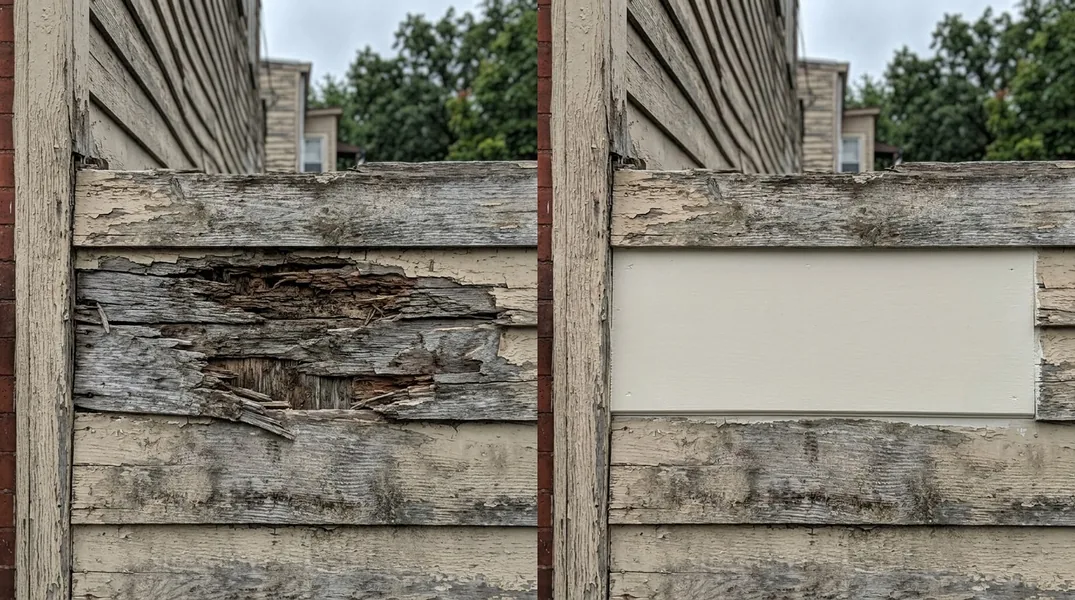
Why Pittsburgh's Historic Homes Are Prone to Wood Rot
Pittsburgh is home to some of the most beautiful century-old architecture in the region. Victorian mansions, Craftsman bungalows, and early 20th-century row homes line neighborhoods from Shadyside to Lawrenceville. But these charming period properties come with a hidden cost: they're exceptionally vulnerable to wood rot.
The culprit is a combination of Pittsburgh's climate and the age of these structures. Our region experiences significant moisture year-round, with humid summers and wet springs that create ideal conditions for fungal growth. Many of these homes were built with materials and construction methods that don't meet modern moisture-management standards. Older wood framing, inadequate ventilation, and deteriorated exterior finishes allow water to penetrate deep into structural members. Once water gets inside, rot isn't far behind.
Additionally, decades of deferred maintenance compound the problem. A roof that's 30 years old, flashing that's never been sealed, or gutters clogged with debris all allow water to migrate into walls, attics, and foundations. The longer a home sits without proper upkeep, the more opportunity moisture has to damage the wood structure underneath.
Signs of Wood Rot: What Every Pittsburgh Homeowner Should Know
Recognizing the signs of wood rot early can save you thousands of dollars in repairs. Wood rot doesn't announce itself loudly; it works quietly inside walls and under siding. However, there are telltale indicators that a trained eye can spot.
Start by looking at your exterior. Soft or spongy wood on trim, fascia boards, or window frames is a major red flag. If you can press your fingernail into the wood and it leaves an indent, decay has already begun. Discoloration, darkening, or a honeycomb appearance in the wood also suggests rot. Paint that's peeling or bubbling can indicate moisture underneath, which is often the precursor to rot. Inside your home, watch for sagging floors, doors that stick or won't close properly, or a musty smell in basements or crawl spaces. These are signs that structural wood may be compromised.
Another common indicator is visible fungal growth or mold on wood surfaces, particularly in damp areas like basements and crawl spaces. Some homeowners notice a soft, crumbly texture when they touch affected wood, or they see what looks like white thread-like growth on the surface. Don't ignore these warnings. The sooner you identify wood rot, the more limited your repair scope will be.
Dry Rot vs. Wet Rot: Understanding the Difference
When homeowners hear the term Wood Rot & Dry Rot Repair, they often assume these are the same thing. In reality, dry rot and wet rot are distinct problems with different causes and repair strategies.
Wet rot is caused by wood that's exposed to moisture and fungal spores. It typically occurs in areas with direct water contact or high humidity, such as basements, crawl spaces, bathrooms, and exterior walls. The wood becomes soft and soggy, and the damage is usually localized to the wet area. Wet rot is actually the more common problem in Pittsburgh homes because of our damp climate.
Dry rot, despite its name, also requires moisture to start, but it can spread to seemingly dry wood. A fungus called Serpula lacrymans causes dry rot, and it's particularly destructive because it can travel through wood and even across masonry to reach new timber. Dry rot is rarer in Pittsburgh but more serious when it occurs. It causes wood to become brittle and crumbly, and it can spread rapidly if not addressed. Both types require professional assessment and repair to prevent structural failure.
Exterior Wood Rot Repair: Protecting Your Home's First Line of Defense
Exterior wood rot repair is one of the most important preventive measures a homeowner can take. Your home's exterior is its first defense against the elements. When exterior wood begins to fail, water enters the wall cavity and begins its destructive work on framing, sheathing, and insulation.
Common areas where exterior rot develops include fascia boards, soffits, window frames, door frames, deck posts, and siding. These areas are exposed to direct weather and are often the first to show signs of decay. Some homeowners try to paint over rot or apply wood filler, but these are temporary cosmetic fixes. The underlying fungal problem continues to spread, and the damage worsens. Professional repair involves removing the affected wood, treating the area to prevent recurrence, and installing new material that's properly sealed and finished.
The scope of exterior wood rot repair depends on how far the decay has progressed. Catching rot early might mean replacing just a fascia board or a few linear feet of trim. Waiting too long could mean replacing entire wall sections or structural beams. This is why regular inspections, especially after heavy rain or during spring, are so valuable. If you notice soft wood, paint bubbling, or gaps around window frames, contact a professional for an assessment right away.
When to Call a Professional: Wood Rot & Dry Rot Repair Near Me
Some homeowners attempt DIY wood rot repairs, thinking they can save money. While minor cosmetic repairs might be manageable, structural wood rot almost always requires professional intervention. The reason is simple: if you don't remove all the affected wood and address the moisture source, the rot will return, often worse than before.
Professional carpenters have the expertise to assess how deep the decay goes, determine whether structural integrity is compromised, identify and fix the moisture source, and install replacement wood using proper techniques. In some cases, what looks like a small rot problem is actually part of a larger issue affecting floor joists, beams, or load-bearing walls. A professional inspection can reveal these hidden problems before they become catastrophic.
If you're in Pittsburgh and suspect wood rot in your home, Pittsburgh Carpentry is ready to help. We can provide a thorough inspection and explain exactly what needs to be done. Call us at (412) 866-2637 or request a free estimate today. Early detection and professional repair can save your home from serious structural damage.
Wood Rot & Dry Rot Repair Cost in Pittsburgh: What to Budget
The cost of wood rot repair varies widely depending on the extent of the damage, the location, and the complexity of the work. A small area of exterior trim rot might cost $500 to $1,500 to repair, while extensive structural damage affecting floor joists or beams could run $5,000 to $15,000 or more. The key factor is how much wood needs to be replaced and whether the repair requires structural reinforcement or removal of walls and flooring.
It's important to understand that delaying repair almost always increases cost. A $1,000 repair today could become a $5,000 repair in two years if the rot spreads unchecked. Additionally, unaddressed wood rot can compromise your home's structural integrity, potentially affecting resale value or creating safety hazards. When evaluating pricing for wood rot repair, consider it an investment in your home's longevity and safety.
Pittsburgh Carpentry offers transparent pricing and detailed estimates before any work begins. We'll explain what's needed, why it's needed, and what it will cost. Contact us at (412) 866-2637 to schedule your inspection and receive a detailed estimate for your specific situation.
Looking for a professional carpentry contractor in Pittsburgh? Pittsburgh Carpentry responds fast for all your carpentry needs.
Get a Free QuoteOur services: Wood Rot & Dry Rot Repair · Termite Damage Repair · Floor Joist & Subfloor Repair